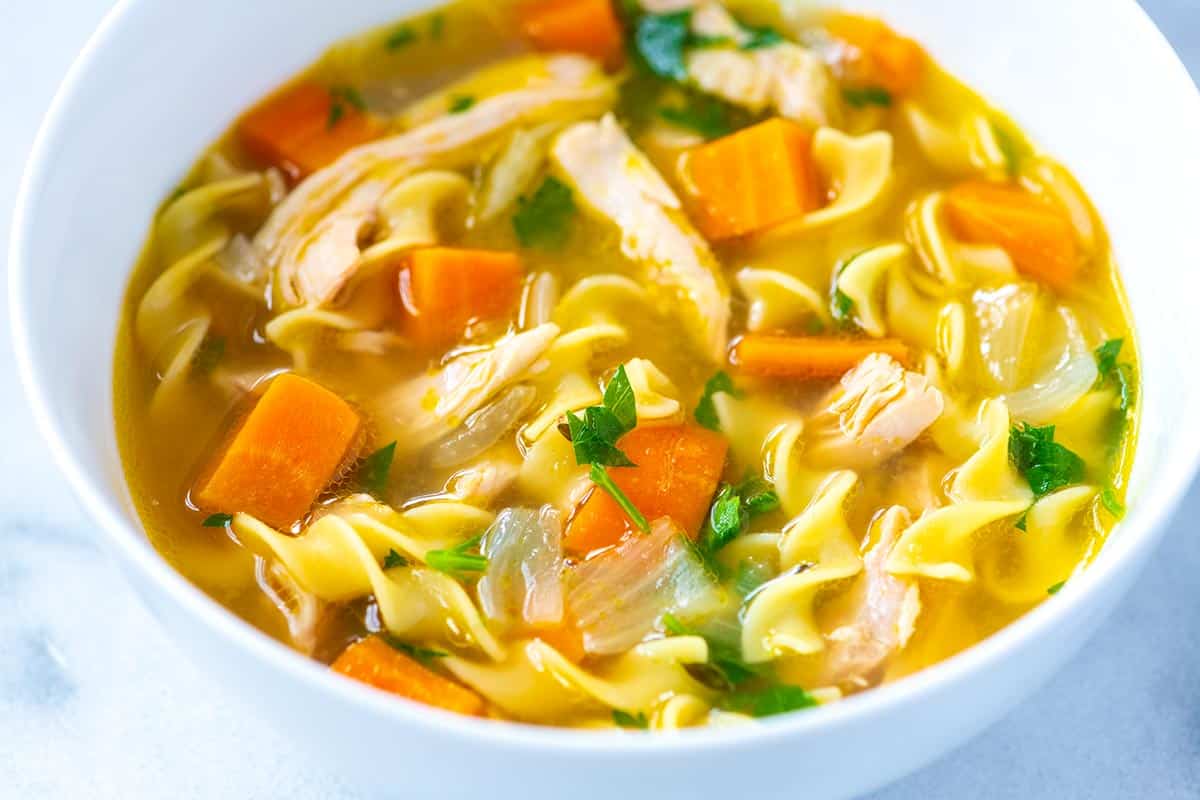
The Best Homemade Chicken Noodle Soup: Secret Thighs for Rich Broth
There are few culinary comforts that rival a steaming bowl of
homemade chicken noodle soup. It’s more than just a meal; it’s a warm hug on a chilly day, a soothing remedy for a common cold, and a nostalgic trip back to Grandma’s kitchen. While many aspire to recreate that quintessential, soul-satisfying flavor, the secret to achieving a broth so rich and deeply flavorful it tastes like it’s been simmering for hours lies not just in patience, but in a specific cut of chicken: bone-in, skin-on chicken thighs. This unassuming ingredient is the unsung hero, promising an unparalleled depth that elevates your
homemade chicken noodle soup from good to absolutely unforgettable.
Forget bland, watery broths or dry, stringy chicken breast. Our mission is to guide you through crafting a truly superior
homemade chicken noodle soup that’s hearty, robust, and overflowing with classic flavor, all thanks to the magic of chicken thighs. Get ready to transform simple ingredients into a meal that will leave everyone asking for seconds.
The Secret Weapon: Why Chicken Thighs Reign Supreme for Broth
When it comes to building the most flavorful broth for your
homemade chicken noodle soup, bone-in, skin-on chicken thighs are an absolute game-changer. While chicken breasts are often lauded for their lean protein, they simply can't compete with the flavor profile that thighs bring to the table. Here’s why these succulent cuts are your secret weapon:
*
Unrivaled Flavor and Richness: Chicken thighs, by nature, contain more fat and dark meat than breasts. This fat renders into the broth as they simmer, infusing it with an incredible depth of flavor and a luscious mouthfeel that lean white meat simply cannot achieve. The richness is palpable, transforming a simple chicken stock into a profoundly savory foundation.
*
Collagen and Body: The bones and skin on the thighs are crucial. As they cook down, they release collagen, which enriches the broth, giving it a beautiful body and a silky texture. This isn't just about taste; it's about the entire sensory experience of a truly great soup.
*
Moisture Retention: Thighs are far more forgiving than breasts. They can simmer longer without drying out, ensuring the chicken itself remains tender and juicy even after releasing its incredible flavors into the broth. This dual benefit of flavorful chicken *and* flavorful broth is precisely what we're after.
*
Efficiency: Despite their deep flavor, chicken thighs cook through surprisingly quickly, typically in about 20 minutes, making this a much faster process than you might imagine for such a rich result. Most of the cooking time is hands-off, allowing you to focus on other tasks. Plus, once cooked, they're incredibly easy to shred, ready to be returned to the pot.
By starting with bone-in, skin-on chicken thighs, you’re laying the groundwork for a
homemade chicken noodle soup that tastes like it's been simmering for an entire day, even if it comes together in under an hour.
Crafting the Foundation: Building a Broth That Sings
A truly great
homemade chicken noodle soup is defined by its broth. This isn't just liquid; it's the soul of the soup, and building it correctly is paramount. Follow these steps to ensure your broth is a masterpiece of flavor:
Sauté Your Vegetables in Butter (or Schmaltz!)
This often-overlooked first step is foundational. Before any liquid touches your pot, gently sauté your aromatic vegetables – think diced carrots, celery, and onions – in a generous knob of butter. The gentle heat softens them, coaxing out their natural sugars and essential oils, which caramelize slightly, adding layers of complex flavor. This process isn't about browning them heavily, but rather softening them and cooking off that raw, pungent edge, especially from onions and garlic. For an even deeper, more traditional flavor, if you happen to have rendered chicken fat (schmaltz) on hand, use that instead of butter. It’s an instant flavor booster that ties directly into the chicken theme.
Season Early and Often
Don't wait until the very end to season your soup. Once your vegetables are softened and you've added your chicken stock and chicken thighs, taste the broth. Store-bought chicken stocks, while convenient, can sometimes be light on flavor. Adding salt now, along with your chosen fresh herbs like parsley and thyme, and a pinch of dried sage, allows the flavors to meld and develop from the beginning. This early seasoning allows the broth to truly absorb and build its character. You'll continue to adjust as the soup cooks, but a solid foundation of seasoning sets the stage for a truly great taste experience. For more foundational tips on building incredible flavor, delve into our guide:
Homemade Chicken Noodle Soup: Pro Tips for Ultimate Flavor.
The Gentle Poach of Chicken Thighs
This is where your secret weapon comes into play. Once your vegetables are softened and your broth is seasoned, carefully add your bone-in, skin-on chicken thighs to the pot. Let them simmer gently, partially submerged in the broth. This gentle poaching allows the chicken to cook through beautifully while simultaneously releasing all its incredible flavors, fats, and collagen directly into the liquid. In about 20 minutes, the thighs will be tender, cooked through, and ready to be removed for shredding. This process is key to getting that incredibly rich broth that defines the best
homemade chicken noodle soup.
The Art of Assembly: Perfect Noodles, Poached Chicken, and Finishing Touches
With your rich broth perfected and your chicken tender, the final steps bring your
homemade chicken noodle soup to its delicious conclusion.
Adding the Noodles Last
One of the most common pitfalls of chicken noodle soup is mushy noodles. To avoid this, always add your noodles – classic wide egg noodles are ideal for their texture and ability to soak up flavor – about 10 minutes before you plan to serve the soup. Cooking them directly in the simmering broth is crucial, as they absorb all those incredible chicken and herb flavors, becoming an integral part of the soup's profile. As they cook, they also release a small amount of starch, which contributes to a subtly silky, comforting texture in the broth.
Shredding the Chicken
Once the chicken thighs are cooked, remove them from the pot and allow them to cool slightly, just enough to handle. Discard the bones and skin, then shred the tender meat into bite-sized pieces using two forks. Return the shredded chicken to the pot, ensuring it's warmed through.
The Final Flourish: Seasoning and Brightening
Before serving, taste your
homemade chicken noodle soup one last time. This is your moment to adjust. Does it need a little more salt? A dash of freshly ground black pepper? Don't be shy! If it doesn't make you smile, it's not quite ready.
Consider these finishing touches:
*
Lemon Juice: A squeeze of fresh lemon juice at the end works wonders. It brightens the entire soup, cutting through the richness and adding a vibrant, fresh note.
*
Fresh Herbs: A generous handful of freshly chopped parsley or dill stirred in just before serving adds a burst of color and a fresh, herbaceous aroma.
*
Umami Boosters: For an extra layer of savory depth, consider a tiny dash of fish sauce (a secret weapon for many chefs) or a splash of white wine vinegar. These additions enhance the overall flavor without making the soup taste like fish or vinegar.
*
A Touch of Heat: If you enjoy a little warmth, a dash of your favorite hot sauce or a pinch of red pepper flakes can provide a subtle kick.
If you're looking for that undeniable taste of home, akin to the recipes passed down through generations, you'll love our feature on
Easy Homemade Chicken Noodle Soup: Grandma's Comfort Recipe.
Maximizing Your Soup Experience: Storage, Reheating & Variations
While
homemade chicken noodle soup is undeniably best enjoyed fresh off the stove, sometimes you have leftovers, or you want to prepare it in advance. Here’s how to handle it, along with some exciting variations.
Storage and Reheating
*
Refrigeration: Store your soup in an airtight container in the refrigerator for up to 3 days.
*
The Noodle Absorption Factor: It's important to note that as the soup sits, the noodles will continue to absorb the broth, making them expand and the soup thicker.
*
Reheating Tip: When reheating on the stovetop or in the microwave, add a splash of extra chicken stock or water to loosen the soup back to your desired consistency. Reheat gently, stirring occasionally, until warmed through.
*
Advance Preparation (Critical Tip!): If you plan to make a large batch for meal prep, to deliver to a friend, or to freeze, it's highly recommended to cook the soup *without* adding the noodles. Prepare the noodles separately, ideally just before serving, and add them directly to individual bowls of hot soup, or cook a batch of noodles separately and store them in their own container. This prevents mushy, bloated noodles and preserves the integrity of your delicious broth.
Recipe Variations to Explore
Once you've mastered the classic
homemade chicken noodle soup, the possibilities for customization are endless:
*
Rotisserie Chicken Shortcut: For an even faster soup, skip the poaching step. Simply stir in shredded rotisserie chicken at the end, just before adding the noodles. While you'll miss out on some of the deep broth flavor from cooking thighs from scratch, it's an excellent time-saver for busy weeknights. Ensure you're still using high-quality chicken stock as your base.
*
Creamy Chicken Noodle Soup: For a richer, more indulgent take, stir in a splash of heavy cream or a dollop of cream cheese towards the end of cooking.
*
Vegetable Boost: Enhance the nutritional profile and flavor by adding other vegetables. Peas, corn, diced bell peppers, or a handful of fresh spinach (stirred in at the very end until wilted) are fantastic additions.
*
Noodle Alternatives: Experiment with different pasta shapes like orzo, ditalini, or even gluten-free noodles for dietary needs. Just adjust cooking times accordingly.
*
Spice it Up: Add a pinch of cayenne pepper, a few slices of fresh ginger, or some crushed garlic during the sautéing process for a soup with a bit more zing.
The Ultimate Comfort in Every Spoonful
Crafting the perfect
homemade chicken noodle soup is a culinary journey that rewards you with immense satisfaction and unparalleled flavor. By embracing the secret power of bone-in, skin-on chicken thighs, you unlock a depth of richness and savory goodness that truly transforms this classic dish. From sautéing your aromatics in butter to the gentle poaching of the chicken and the final bright touches of lemon and fresh herbs, every step contributes to a symphony of flavors that no store-bought version can ever replicate.
So, gather your ingredients, set aside some time, and embark on creating a bowl of homemade chicken noodle soup that isn't just a meal, but a warm, comforting experience. It's surprisingly simple, incredibly rewarding, and guaranteed to become a cherished recipe in your home.