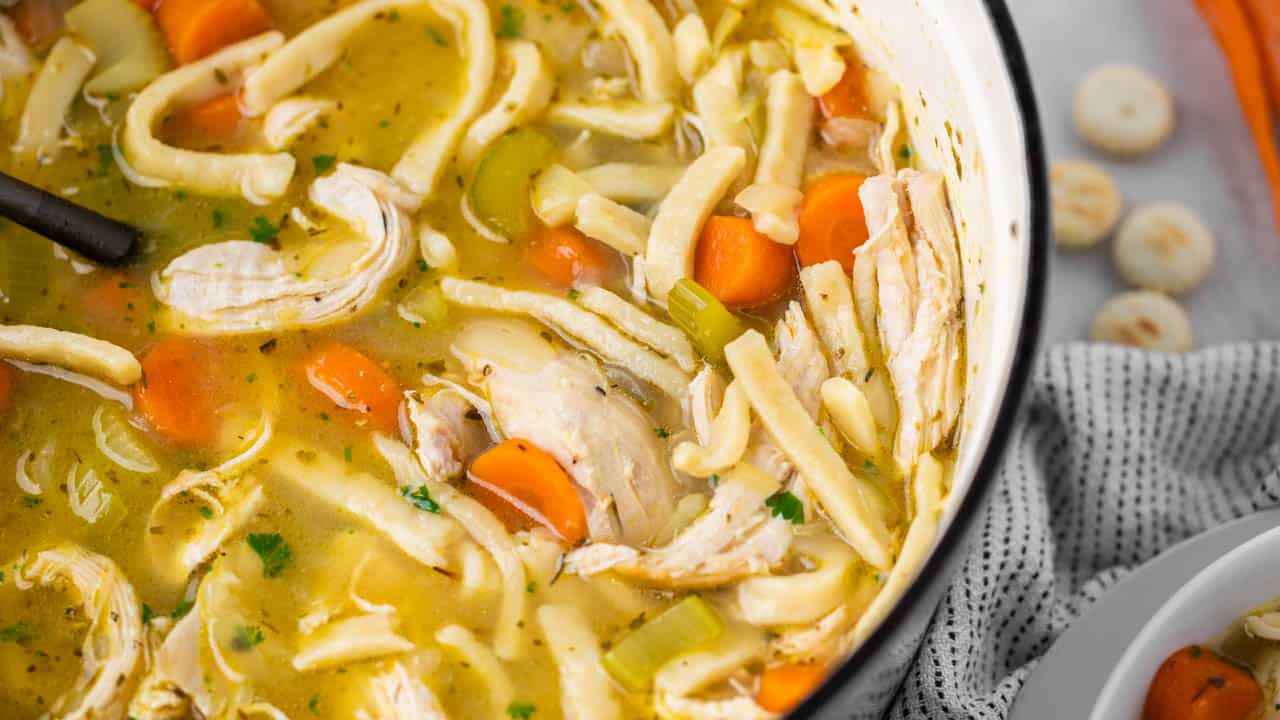
Unlocking Ultimate Flavor: Your Guide to the Best Homemade Chicken Noodle Soup
There are few culinary experiences as universally comforting and deeply satisfying as a bowl of homemade chicken noodle soup. It’s more than just a meal; it's a hug in a bowl, a remedy for a cold day, and a nostalgic trip back to Grandma’s kitchen. While many aspire to create that perfectly rich, flavorful broth and tender chicken, achieving truly ultimate flavor in your homemade chicken noodle soup requires a few insider tips and a thoughtful approach to ingredients. Forget bland, watery versions – we're diving deep into the secrets that elevate this classic dish from good to unforgettable.
Crafting a truly exceptional homemade chicken noodle soup isn't just about following a recipe; it's about understanding the synergy of ingredients and techniques. This article will arm you with the pro tips needed to ensure every spoonful is bursting with savory goodness, making your version the gold standard against which all others are measured.
The Foundation of Flavor: Mastering Your Broth
The soul of any homemade chicken noodle soup lies in its broth. A robust, deeply flavored broth is what distinguishes a truly great soup from a mediocre one. It's not just liquid; it's the rich, aromatic canvas upon which all other ingredients paint their flavors.
Choosing Your Chicken Wisely
The type of chicken you use plays a pivotal role in the depth of your broth. While chicken breast might seem like a quick option, for ultimate flavor, bone-in, skin-on chicken thighs are non-negotiable. Why? Bones contribute collagen, which creates a richer, silkier mouthfeel, while the skin renders fat (often called schmaltz), infusing the broth with incredible savory notes. As they gently simmer, these components release a wealth of flavor that simply cannot be matched by boneless, skinless cuts. The result is a broth that tastes like it's been simmering for hours, even when cooked in under 40 minutes.
For a quicker option without sacrificing too much flavor, pre-cooked rotisserie chicken can be used. While it won't impart the same depth to the broth as raw bone-in chicken, it's an excellent shortcut for busy weeknights, allowing you to focus on an aromatic vegetable base.
Building an Aromatic Base with Sautéed Vegetables
Before any liquid touches the pot, your vegetables need attention. Starting your aromatic vegetables in fat is a crucial step for developing profound flavor. Sautéing finely diced carrots, celery, and onions in butter (or even better, rendered chicken fat/schmaltz) until softened and slightly translucent, but not browned, coaxes out their natural sweetness and depth. This process, often called "sweating" vegetables, is about gently cooking off their raw edge and building a complex flavor profile right from the start. Adding minced garlic in the last minute or two of sautéing ensures its pungent flavor mellows into a sweet, aromatic warmth without burning.
The Art of Seasoning: Taste Early, Taste Often
Many home cooks wait until the very end to season their soup, which can leave the broth tasting flat. Pro tip: season your broth early and adjust continuously. Once your broth and chicken are added, taste it. Store-bought chicken stocks can vary widely in sodium content and overall flavor. Adding a touch of salt early on helps to draw out and enhance the flavors of the simmering chicken and vegetables. As the soup cooks and flavors concentrate, taste again. You'll likely need to add more salt and pepper, and perhaps a pinch of dried sage, thyme, or bay leaves for that classic, earthy depth. For a vibrant finish, a handful of fresh parsley and dill added at the very end brightens the entire dish.
Don't be afraid to experiment with a "secret weapon" or two. A dash of fish sauce, while unconventional, adds an umami punch that makes the broth incredibly savory without tasting fishy. A squeeze of fresh lemon juice or a tiny splash of apple cider vinegar at the end can brighten and lift all the flavors, balancing the richness beautifully. This attention to detail in seasoning is what transforms a good homemade chicken noodle soup into a truly spectacular one.
Perfecting the Texture: Chicken and Noodles
Beyond the broth, the texture of your chicken and noodles plays a vital role in the overall enjoyment of your homemade chicken noodle soup. Overcooked chicken can be rubbery, and mushy noodles are a cardinal sin.
Gently Poached, Perfectly Shredded Chicken
One of the beauties of using bone-in chicken thighs is how easily they cook and shred directly in the broth. Gentle poaching, rather than a vigorous boil, ensures the chicken remains incredibly tender and moist. The thighs will cook through in about 20 minutes, becoming fork-tender. Once cooked, remove them from the pot, allow them to cool slightly, and then easily shred the meat using two forks. Discard the bones and skin (unless you wish to save them for a future stock). Adding the shredded chicken back to the soup ensures it warms through without drying out.
Achieving Noodle Nirvana: The Last-Minute Addition
This is perhaps the most crucial tip for perfect noodles: add them last, about 10 minutes before serving. Cooking wide egg noodles (or your preferred pasta shape) directly in the simmering soup broth allows them to soak up all that delicious chicken flavor. Crucially, they also release a small amount of starch, which ever-so-slightly thickens the broth, giving it a lovely, silky texture that clings beautifully to the noodles and chicken. Adding them too early means they'll continue to absorb liquid and become bloated and mushy, especially if you plan to store leftovers.
If you're making a large batch of homemade chicken noodle soup or planning to freeze portions, it's wise to cook the noodles separately or leave them out entirely until reheating. This preserves the integrity of both the noodles and the broth, allowing you to add freshly cooked noodles just before serving for optimal texture. For more insights on achieving that perfect comfort, check out Easy Homemade Chicken Noodle Soup: Grandma's Comfort Recipe.
Elevating Your Homemade Chicken Noodle Soup Experience
Once you've mastered the foundational elements, a few final touches can truly elevate your homemade chicken noodle soup to gourmet levels.
A Burst of Freshness
Always finish your soup with a generous sprinkle of fresh herbs. Chopped fresh parsley, dill, or chives added just before serving not only provide a beautiful pop of color but also contribute a bright, herbaceous aroma and flavor that lifts the entire dish. These delicate flavors would be lost if cooked for too long, so reserve them for the grand finale.
The Power of Acidity and Heat
As mentioned earlier, a final squeeze of lemon juice can be a game-changer, cutting through the richness and brightening all the flavors. Similarly, if you enjoy a little kick, a dash of your favorite hot sauce or a pinch of red pepper flakes can add a welcome layer of warmth without overpowering the delicate chicken flavor. Taste your soup one last time before serving; if it feels like it's missing something, it often just needs a touch more salt, a hint of acidity, or a gentle spice.
Serving Suggestions
Serve your magnificent homemade chicken noodle soup steaming hot with a side of crusty bread for dipping, or classic saltine crackers. A simple green salad can also provide a refreshing counterpoint to the rich, hearty soup. Embrace the warmth, the aroma, and the undeniable comfort it brings.
Conclusion
Crafting the ultimate homemade chicken noodle soup is a rewarding endeavor that goes beyond simply following a recipe. By focusing on quality ingredients like bone-in chicken thighs, building a flavorful aromatic base, seasoning strategically, and mastering the timing of your noodles, you can create a bowl of comfort that truly stands apart. These pro tips are designed to guide you toward a soup that’s not just good, but truly exceptional – a heartwarming masterpiece that will bring smiles and satisfaction with every single slurp. So, gather your ingredients, follow these insights, and prepare to enjoy the best homemade chicken noodle soup you've ever tasted.
